
Stump Grinding vs. Full Stump Removal: Costs and Trade-Offs
Compare stump grinding cost in the Bay Area against full excavation. Discover equipment methods, replanting pros and pricing. Call (213) 468-5153.
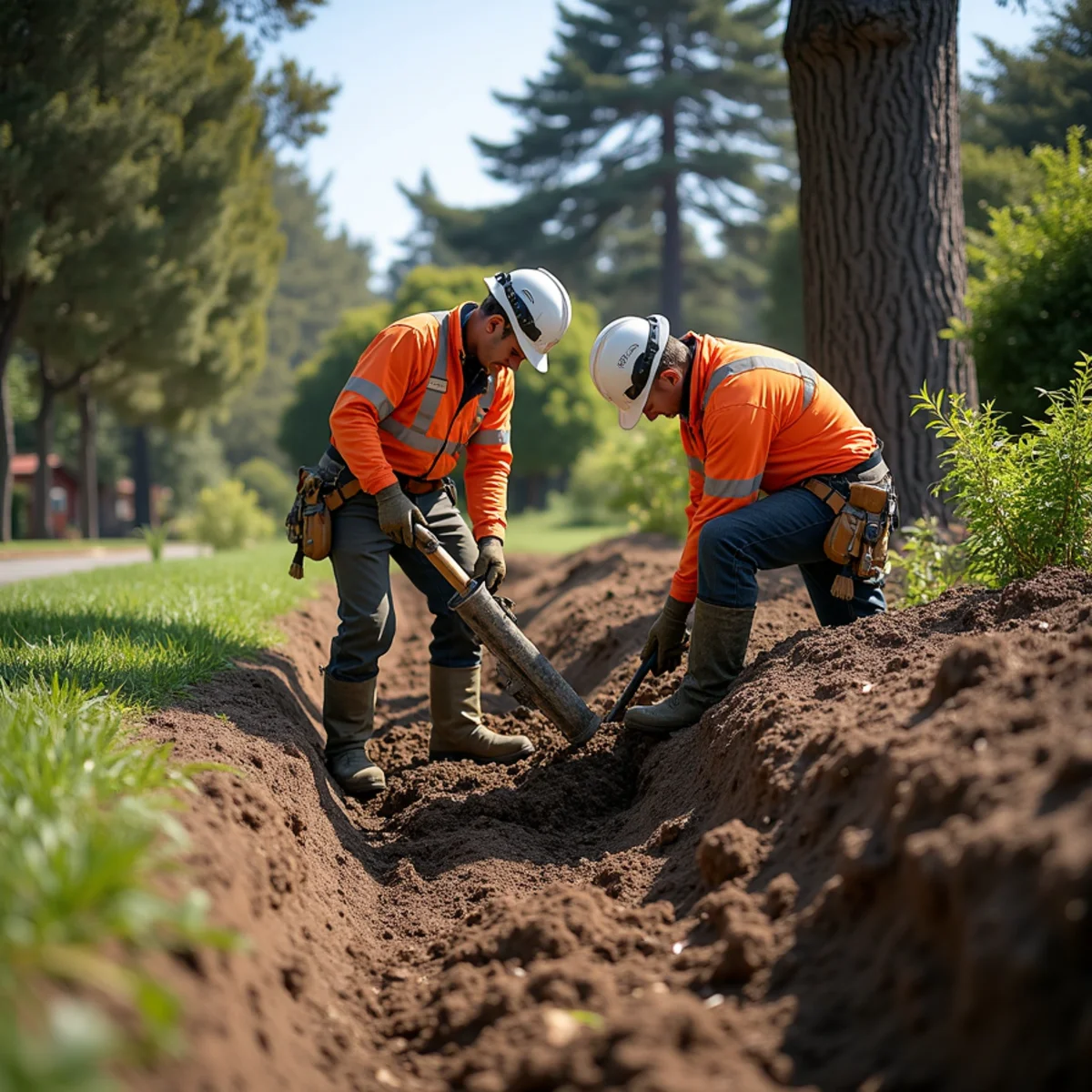
Mechanical Differences: Grinding vs Complete Excavation
Following tree removal, homeowners across Redwood City and San Mateo County must decide how to handle the remaining wooden stump and root system. While many people use 'stump grinding' and 'stump removal' interchangeably, they are fundamentally different mechanical procedures with distinct impacts on your landscape and budget:
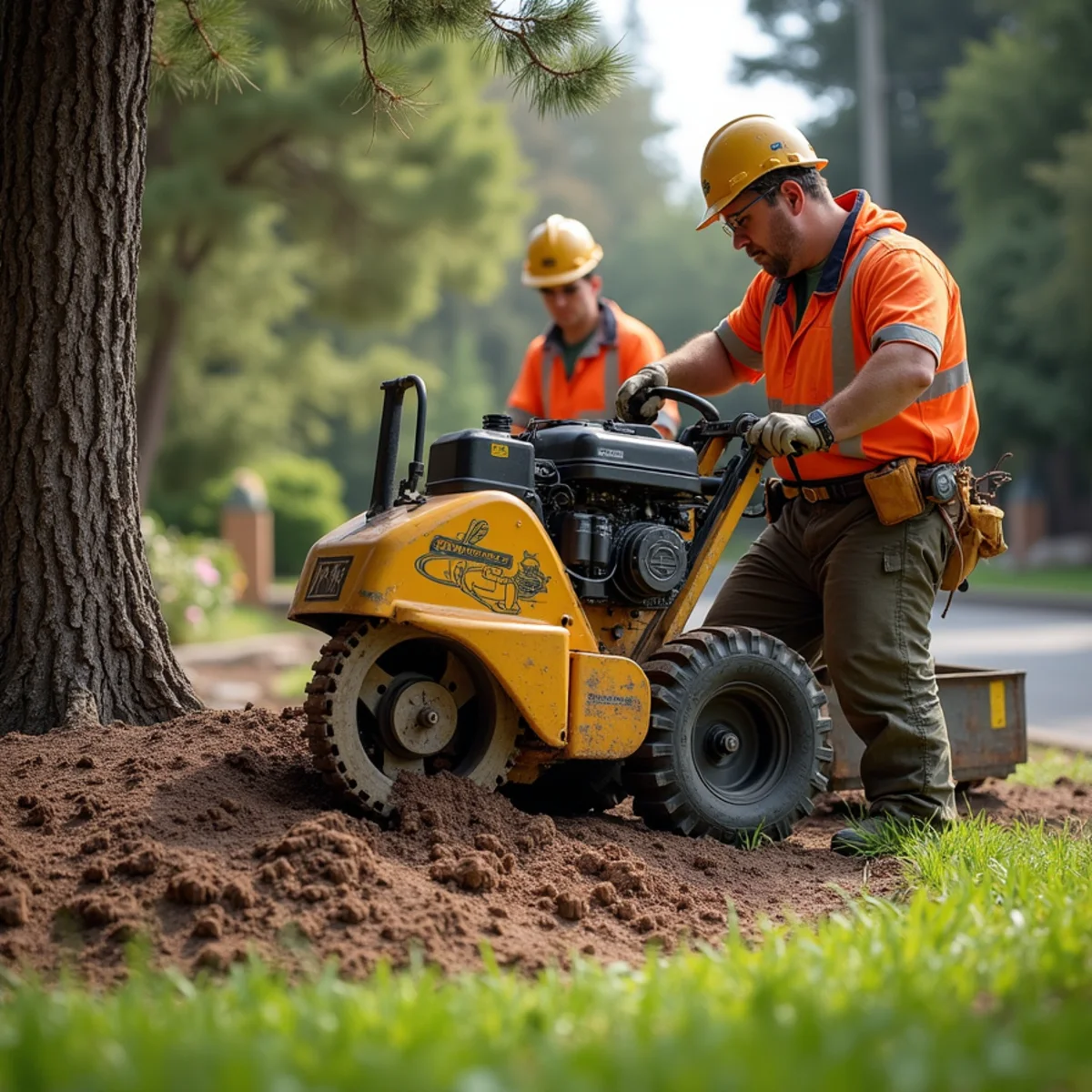
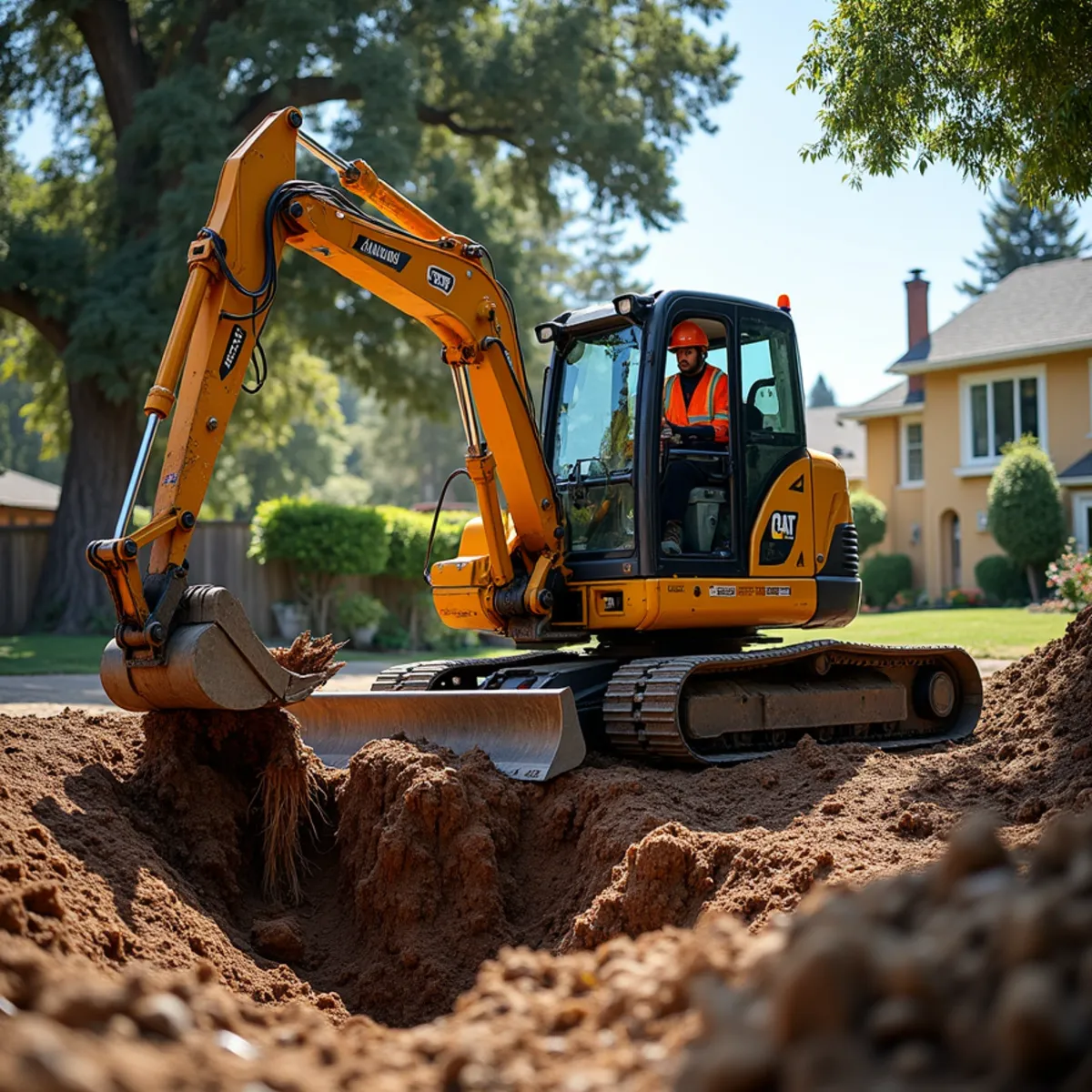
• Stump Grinding: Uses a heavy hydraulic commercial grinding machine equipped with a rotating steel wheel and tungsten-carbide teeth. The machine methodically shaves the tree stump down 6 to 12 inches (or up to 18 inches for deep specs) below natural grade level, pulverizing the wood and surface root flare into a fine blend of wood chips and soil. The subterranean lateral root network remains in place underground to decompose naturally over several years. • Full Stump Removal (Excavation): Involves digging out the entire root ball and primary taproots using a mini-excavator or backhoe. The root mass is physically severed, ripped from the soil, hoisted onto a dump trailer, and hauled to a commercial recycling facility, leaving a massive crater in your yard.
Need Hands-On Arborist Help in Redwood City?
Call (213) 468-5153 to speak directly with our team. We provide rapid emergency dispatch and free written estimates across San Mateo County.
Cost Comparison in the San Francisco Bay Area
The financial cost difference between stump grinding and complete excavation is substantial across the Peninsula:
• Professional Stump Grinding: Typically costs between $150 and $450 for standard small-to-medium stumps (up to 24 inches in diameter). Large mature stumps (30 to 60+ inches) with widespread surface root flares typically range from $450 to $850. Bundling stump grinding with the tree removal project provides significant savings, as equipment mobilization is already covered. • Full Stump Excavation: Starts at $1,200 and frequently exceeds $2,500 to $4,000+. The high price tag reflects excavator equipment transport, multiple crew members, extensive labor to hand-dig around underground utility lines, substantial disposal tipping fees for multi-ton dirt-encrusted root balls, and the cost of importing cubic yards of clean fill dirt to restore the grade.
When Is Full Stump Excavation Actually Necessary?
In approximately 90% of residential landscape scenarios, stump grinding is the recommended and practical solution. However, complete root ball excavation is necessary under specific construction conditions:
1. Building Additions & Foundation Footings: If you are building a home addition, poured-concrete garage foundation, or retaining wall directly where the tree stood, all organic root matter must be excavated. Leaving buried root wood under concrete causes structural subsidence and foundation cracking as the wood decays over 5 to 10 years. 2. Swimming Pool Installation: Pool contractors require complete extraction of the root ball to prevent voids behind gunite pool shells. 3. Deep Underground Utility Trenching: Excavation is required if new sewer main lines, water mains, or electrical conduits must pass directly through the root zone.
When Is Stump Grinding the Superior Choice?
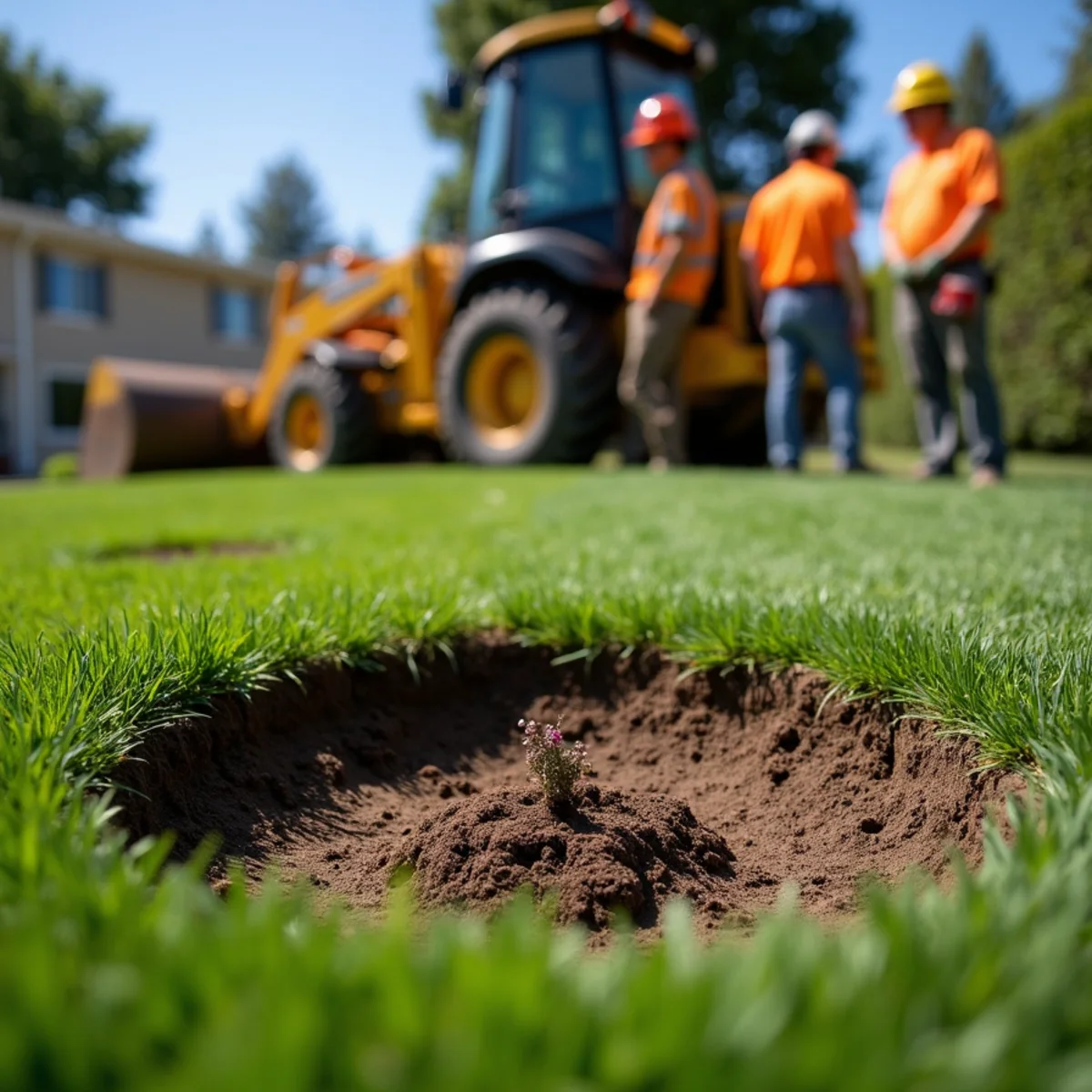
For standard residential yard improvements, stump grinding is vastly superior for several key reasons:
• Minimal Landscape Disruption: Our track-mounted stump grinders fit through standard 36-inch garden gates, rolling lightly across turf without tearing up sod, irrigation lines, or flagstone walkways. • Structural Safety for Hardscape: Heavy excavators pulling on deep lateral roots often crack adjacent concrete driveways, sidewalk slabs, and decorative garden walls. Grinding eliminates surface wood without dislodging interlocking subsurface soil. • Complete Grade Restoration: Once ground 8 to 12 inches below grade, the hole can be filled with loam topsoil and seamlessly seeded with turfgrass, planted with sod, or covered with decomposed granite and garden mulch.
Underground Utility Marking & USA 811 Dig Tickets
Tree roots frequently grow directly around underground gas pipes, water supply lines, electrical conduits, and fiber-optic cables. Operating a multi-horsepower stump grinder with carbide cutting teeth without locating utilities carries severe safety risks.
Under California Government Code § 4216, submitting an Underground Service Alert (USA 811) ticket at least two business days prior to any excavation or stump grinding is legally mandatory. Our team coordinates USA 811 utility markings on every project, verifying that public gas, electric, and communication lines are clearly marked on the ground before our grinders touch the soil. Homeowners are advised to map private irrigation and low-voltage lighting wires.
Post-Grinding Replanting Rules & Soil Chemistry
Many homeowners intend to plant a new specimen tree in the exact location where a tree was just removed. Arborists advise against planting a new tree in the exact center of the ground-out stump hole:
As subterranean wood fragments decompose, soil microbes consume massive amounts of available soil nitrogen to break down carbon-rich cellulose, creating a temporary nitrogen deficit that stunts new sapling root establishment. Furthermore, old wood-decay fungi may still be active in the remaining root pocket. For best results, plant the replacement tree at least 4 to 6 feet away in fresh, native soil, and use the nutrient-rich stump grindings as protective surface mulch across nearby garden beds.
Related Services & Coverage Areas
Related Services
Nearby Service Areas
Frequently Asked Questions
Our standard grinding depth is 6 to 10 inches below grade, which is ideal for turf replanting, sod, or flower beds. For hardscape installations or patio pavers, we offer deep-spec grinding up to 18 inches below grade.
Schedule Your Tree Assessment Today
Call (213) 468-5153 for prompt arborist inspections, permit assistance, and transparent estimates in Redwood City and the Peninsula.