
Monterey Pine and Cypress Problems on the San Mateo Coast
Diagnose Monterey pine pitch canker and cypress problems on the San Mateo coast. Needle fade, branch dieback and removal timing. Call (213) 468-5153.
Coastal Microclimates: Ecology of Coastal San Mateo County
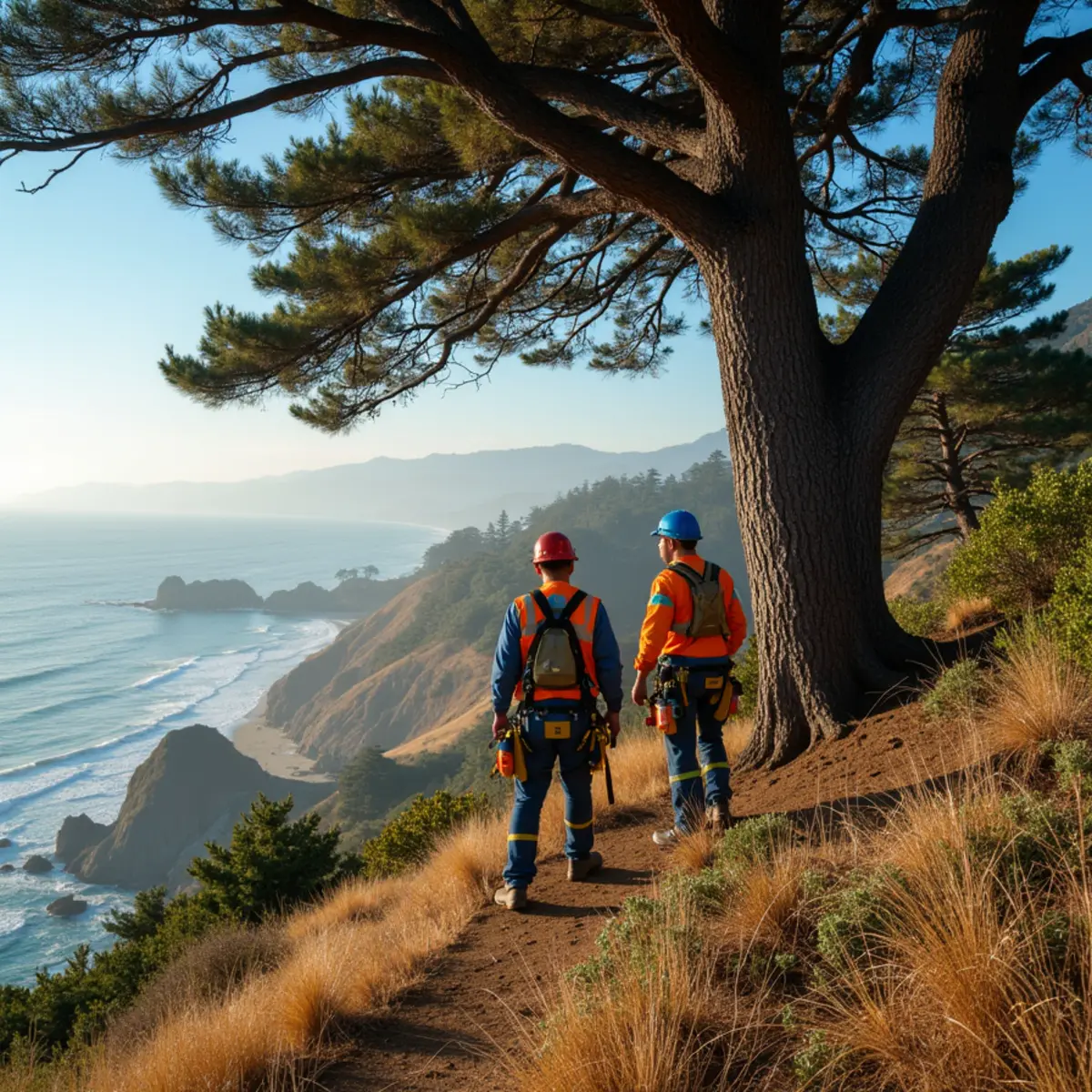
The dramatic coastline of San Mateo County—spanning Pacifica, Montara, Moss Beach, El Granada, and Half Moon Bay—features one of the most distinctive tree canopies in California. Towering Monterey pines (Pinus radiata) and sculptural Monterey cypresses (Cupressus macrocarpa) line Highway 1 and anchor residential coastal neighborhoods.
While naturally adapted to maritime fog and salt-laden Pacific breezes, these coastal stands are facing severe ecological and structural crises. Tens of thousands of trees planted as agricultural windbreaks and residential privacy buffers in the mid-20th century have reached the end of their biological lifespans. Accelerated by introduced fungal pathogens, epidemic bark beetle attacks, persistent salt-spray aerosol damage, and shifting rainfall cycles, declining pines and cypresses represent critical property and life-safety hazards along the coastal corridor.
Need Hands-On Arborist Help in Redwood City?
Call (213) 468-5153 to speak directly with our team. We provide rapid emergency dispatch and free written estimates across San Mateo County.
Monterey Pine Pitch Canker (Fusarium circinatum): Spread & Symptoms
Pitch canker, caused by the destructive fungal pathogen Fusarium circinatum, has decimated Monterey pine populations across California since its discovery in Santa Cruz County in 1986. Coastal San Mateo County remains one of the most severely impacted regions in the state:
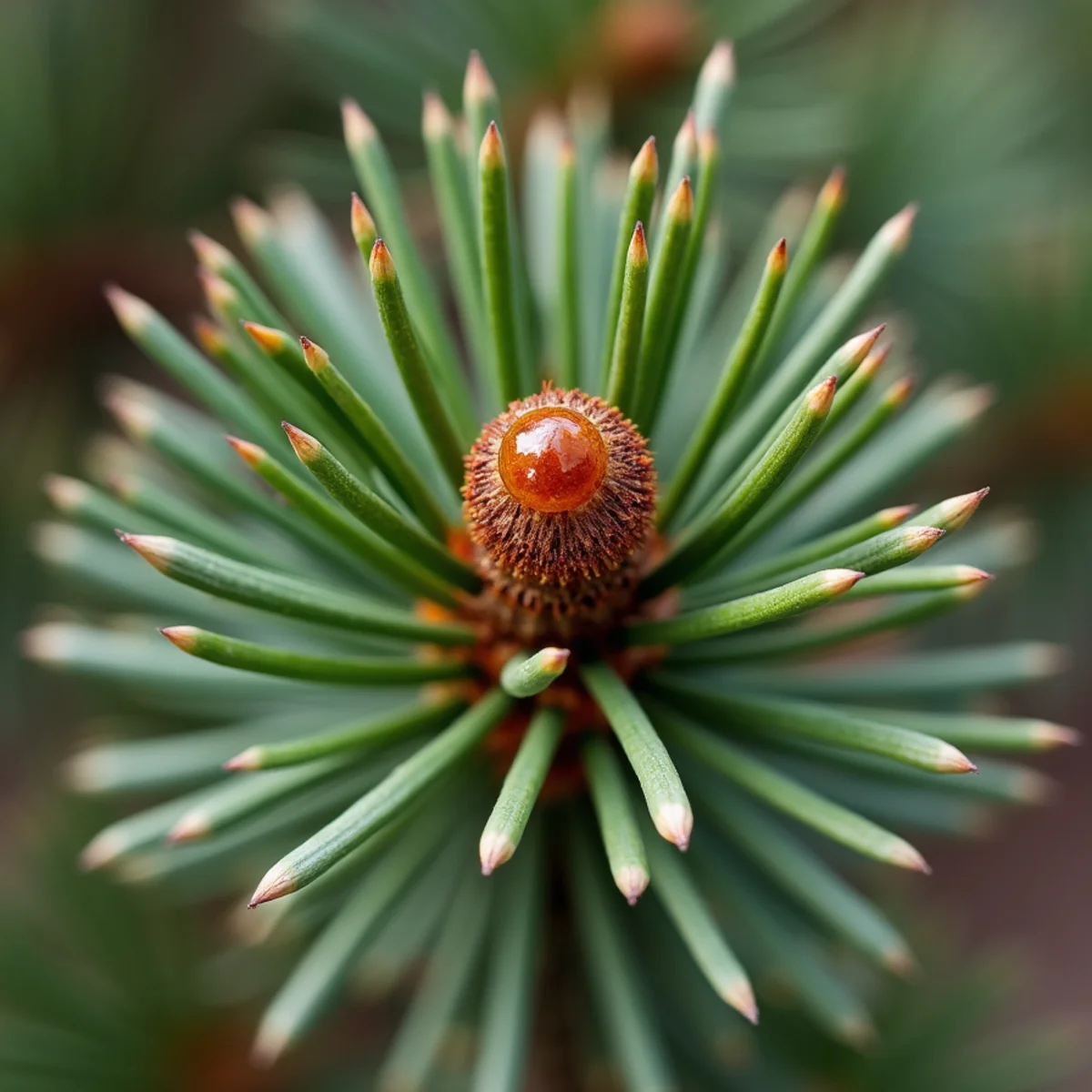
• Characteristic Branch Tip 'Flagging': The initial symptom is sudden dying and yellowing of needles on terminal shoot tips, turning bright reddish-brown (known as 'flagging'). The disease progresses systematically from the outer canopy backward toward primary scaffold limbs. • Copious Resin Exudation (Pitch Bleeding): Active fungal cankers on branches and trunk whorls weep massive volumes of sticky, honey-colored pitch that drips down bark fissures, crystallizing into white crusts. • Insect Vectors: The fungus is primarily spread by native bark beetles and twig beetles (Pityophthorus and Ips species) carrying fungal spores as they bore into young shoots. Once established in main trunk columns, pitch canker creates structural deadwood that snaps during winter storms.
Secondary Bark Beetle Infestations & Rapid Mortality
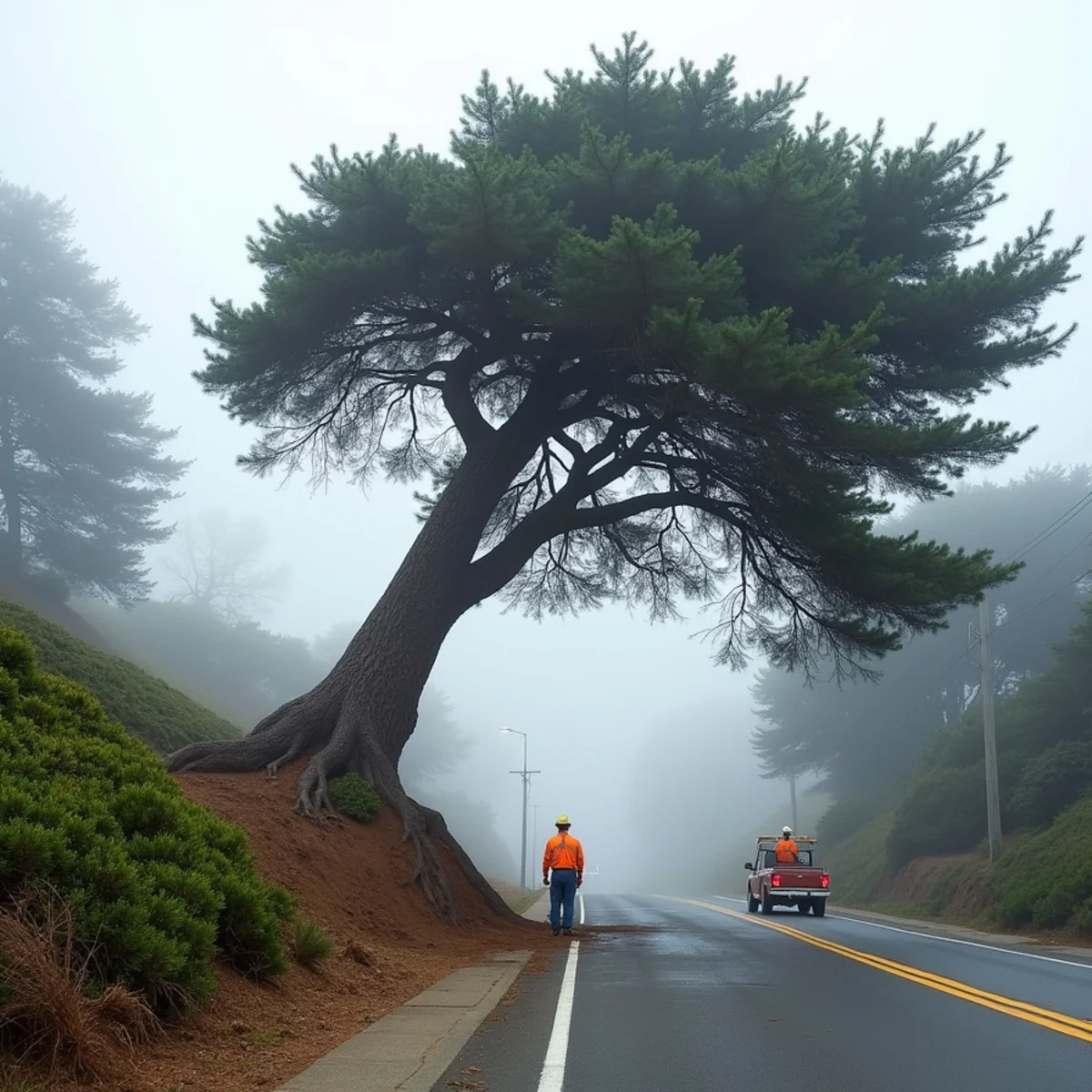
Pitch-canker-stressed pines rapidly attract secondary opportunistic insects that deliver the final fatal blow:
• Red Turpentine Beetle (Dendroctonus valens): These large beetles attack the lower 6 to 8 feet of the trunk, boring into the inner bark and producing conspicuous reddish-purple 'pitch tubes' mixed with wood frass at the root flare. When dozens of pitch tubes encircle the base, vascular girdling is nearly complete. • Engraver Beetles (Ips paraconfusus): These beetles attack the upper trunk and scaffold limbs, carving intricate egg galleries beneath the bark that sever vascular cambium tissue. Once Ips beetles successfully colonize the upper third of a mature Monterey pine, the tree can collapse from partial green to complete mortality within 60 to 90 days. Preventive permethrin or bifenthrin trunk bark sprays can protect unaffected neighboring pines if applied before beetle penetration occurs.
Monterey Cypress Health Challenges: Coryneum Canker
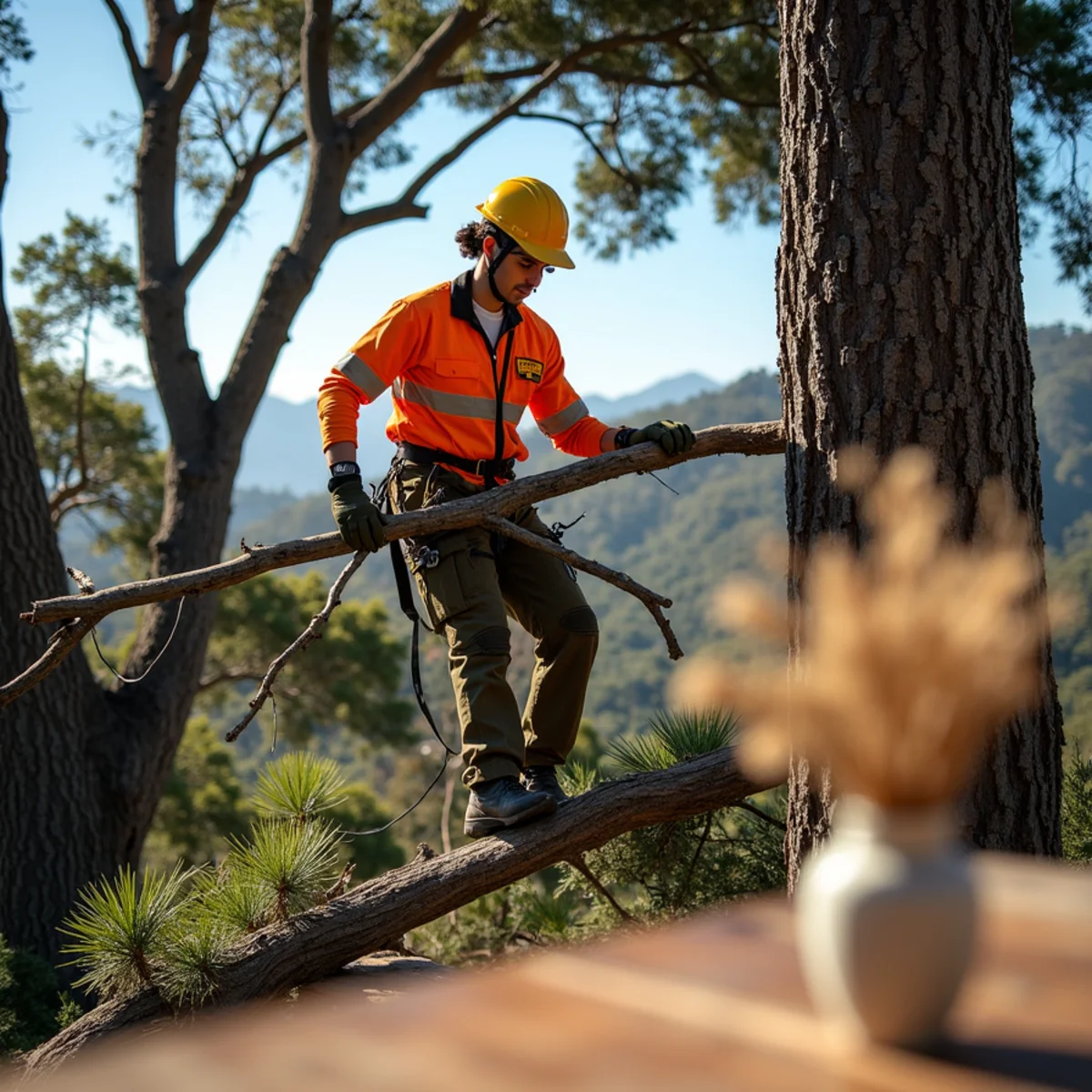
Monterey cypress trees exhibit legendary wind tolerance in their native maritime fog zone, but they face their own lethal fungal challenge: Coryneum Canker (also known as Cypress Canker, caused by Seiridium cardinale):
• Foliar Dieback & Twig Girdling: Spores enter through small bark fissures, girdling twigs and causing isolated branches to turn bright yellow, then reddish-brown. Dense resin oozes from dark, sunken canker lesions on branches. • Fog Belt vs Interior Stress: Cypresses growing directly on the coastal ocean bluffs in Pacifica and Half Moon Bay tolerate the pathogen better due to cool temperatures. However, cypresses planted in warmer inland microclimates experience rapid vascular decline and severe structural canopy dieback.
Winter Gale Windthrow Risks on Sandy Coastal Soils
Beyond disease, coastal Monterey pines and cypresses present acute storm blow-down hazards. Coastal soils along San Mateo County consist of sandy marine terraces and weathered marine sandstone that provide poor shear resistance when saturated by winter storms.
Combined with heavy ocean winds exceeding 50 to 65 mph hitting massive evergreen canopies, the sail load exerts extreme levering force on shallow root plates. Multi-stemmed cypresses with co-dominant trunk splits frequently shear apart, while mature pines suffering from internal pitch canker rot snap midway up the trunk column. When root plates lift on coastal bluffs, trees often rip out adjacent water mains and crack patio hardscapes, necessitating emergency crane dismantling.
Coastal Commission & Local Municipal Removal Permitting
Removing hazardous pines and cypresses along the coast requires careful navigation of local zoning rules. In Half Moon Bay and unincorporated San Mateo County coastal areas, tree removals are governed by Local Coastal Programs (LCPs) and Heritage Tree Ordinances under the California Coastal Act.
Property owners must obtain an ISA Certified Arborist Report documenting severe disease progression, beetle infestation, or imminent structural hazard before municipal coastal planners will issue removal permits. Our team prepares comprehensive coastal permit filings and recommends wind-hardy native replacements, such as coast live oaks, Pacific wax myrtles, and toyon.
Related Services & Coverage Areas
Related Services
Nearby Service Areas
Frequently Asked Questions
No. There is currently no chemical fungicide or injection cure for pitch canker once established in systemic trunk tissue. Management focuses on pruning out localized infected branch tips, sanitizing tools, and maintaining tree vigor.
Schedule Your Tree Assessment Today
Call (213) 468-5153 for prompt arborist inspections, permit assistance, and transparent estimates in Redwood City and the Peninsula.